

Type "Bhutan tourism" into a search bar and most of what comes back is either a glossy highlight reel or a wall of policy jargon — Gross National Happiness, Sustainable Development Fee, High Value Low Volume. Both are true, but neither explains what actually happens when you decide to go: who books what, when to travel, what the country looks like region by region, and what to expect on the ground once you land in Paro. This guide is built to answer that, section by section, without assuming you already know the shorthand.
Why Bhutan Tourism Runs on Different Rules
Bhutan is the only country in the world that measures its own progress against Gross National Happiness rather than GDP alone, and that same philosophy shapes how tourism is allowed to operate. Rather than opening the country to mass tourism and managing the fallout afterward, Bhutan built limits into the system from the start — a model it calls "High Value, Low Volume." The idea is straightforward: fewer visitors, each contributing meaningfully to the country's healthcare, education and conservation programs, rather than the highest possible visitor count.
In practice, that means every non-Indian, non-Bangladeshi and non-Maldivian traveler needs a Bhutan visa, every trip is arranged through a licensed Bhutanese tour operator, and a per-night Sustainable Development Fee is built into how tourism is funded. There's no equivalent of booking a hostel and figuring out the rest once you land — the guide, driver, hotels and permits are locked in before you ever board a flight.
Licensed operator requirement
Every trip, regardless of nationality, is arranged through a licensed Bhutanese tour operator or an overseas partner rather than booked piecemeal.
Sustainable Development Fee
A per-night fee funds free healthcare, free education and environmental conservation, and is built into how a tourism trip is structured.
High Value, Low Volume policy
Bhutan deliberately caps how fast tourism grows to protect its culture, forests and traditions rather than maximizing visitor numbers.
Guide-accompanied travel
A licensed English-speaking guide and private vehicle travel with you for the length of your trip, so logistics stay off your plate.
The upside of this structure is that it removes most of the friction other destinations still carry — nobody in your group is negotiating a taxi fare at a mountain junction or hunting for a monastery entry slot on the day. The trade-off is that spontaneity looks different here: your route is set in advance, even if the day-to-day pace within it stays flexible.
Getting to Bhutan From the United States
There are no direct flights between the US and Bhutan, and there won't be anytime soon — Paro International Airport sits in a narrow valley ringed by peaks, and only a small number of specially certified pilots are cleared to land there. Two airlines fly into Paro at all: Druk Air and Bhutan Airlines. Everyone connects through a gateway city first, most commonly Delhi, Bangkok, Singapore, Kathmandu or Dubai, depending on which US departure airport you're starting from and which alliance your outbound ticket is on.
Door to door, plan on the better part of a full day of travel once connections are included, plus the time zone shift. Bhutan Standard Time doesn't observe daylight saving, and sits roughly 10 to 14 hours ahead of the continental United States depending on your home time zone and the time of year — enough that building in a buffer day after you land, rather than heading straight into sightseeing, is worth considering for anyone prone to jet lag.
Entry Requirements: Visa, Permits and Documents
The paperwork side of Bhutan tourism is lighter than most people expect, mostly because your tour operator handles the parts that would otherwise mean an embassy visit.
- Valid passport: US citizens need a passport valid for at least six months beyond their travel dates.
- Bhutan visa: required for all nationalities except Indian, Bangladeshi and Maldivian passport holders. Your operator applies for this online once your itinerary and dates are confirmed — there's no in-person interview.
- Online entry permit: processed by your tour operator for every traveler once your route is finalized.
- Passport-size photographs: a recent digital or printed set for each traveler on the booking.
- Travel insurance: not mandatory for US travelers, but a sensible addition given the remote terrain and limited medical infrastructure outside the main towns.
Start early, not urgently. None of this paperwork is slow, but it all runs through your tour operator rather than a government office you can call directly — sharing your travel dates a few months ahead gives everyone enough runway to confirm flights, hotels and permits without a scramble.
Best Time for Bhutan Tourism
Bhutan's weather drives most of the seasonal advice you'll come across, but availability matters just as much — the clearest months are also the months every other traveler wants, so a trip that's easy to confirm in July can need months of lead time in October.
Weather clarity & booking demand, by month
Higher bar = clearer mountain views, but also more competition for hotel rooms and flights
If your calendar is flexible, September and late May sit close to peak-season quality without peak-season pressure on hotel rooms. If you're set on April, October or November, the trade-off is simple — confirm your trip earlier than feels necessary, especially for hotels in Paro and Punakha.
Top Bhutan Tourism Destinations
Nearly every Bhutan itinerary is built from the same short list of towns and valleys, connected by Bhutan's single east-west highway. Where trips differ is how many nights land in each place and how far east the route pushes.
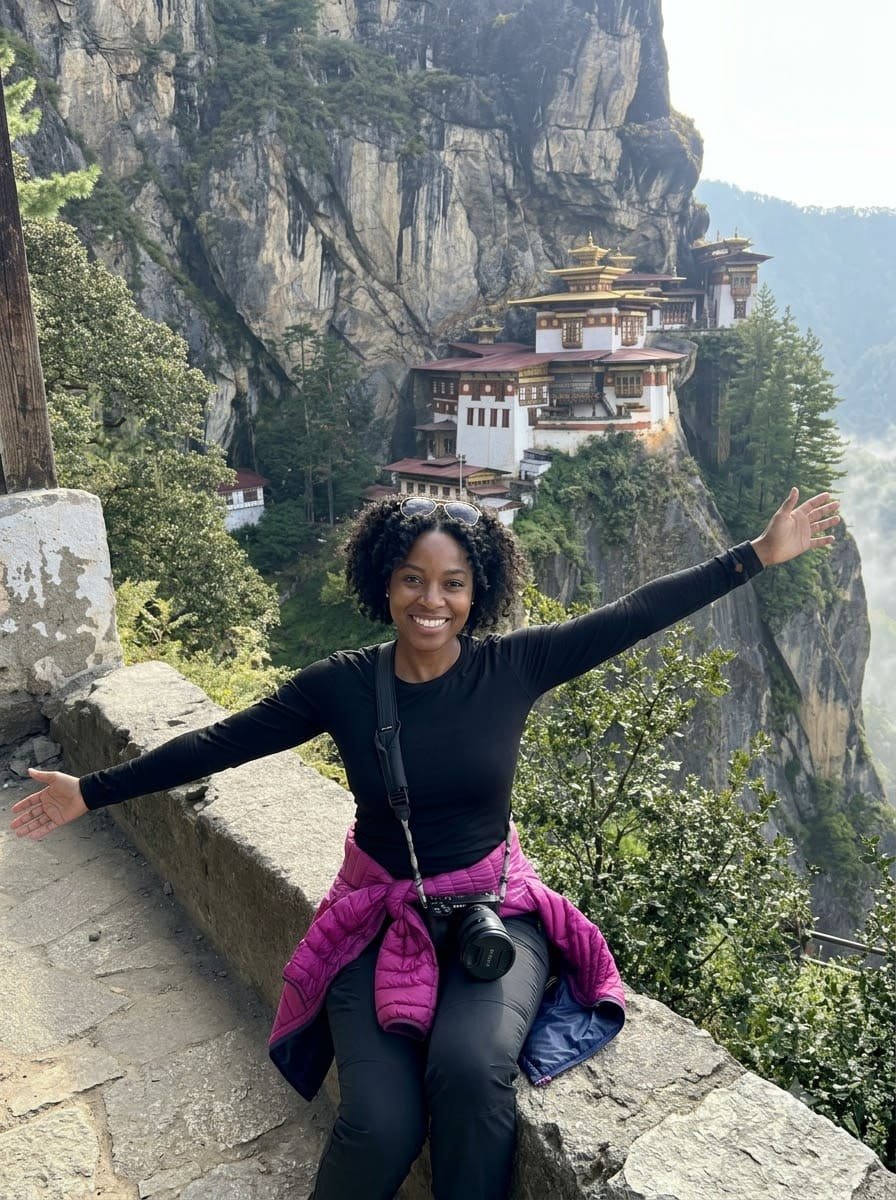
Paro
Bhutan's only international airport sits here, along with the Tiger's Nest hike, the country's most recognized sight and usually the first full day of any trip.
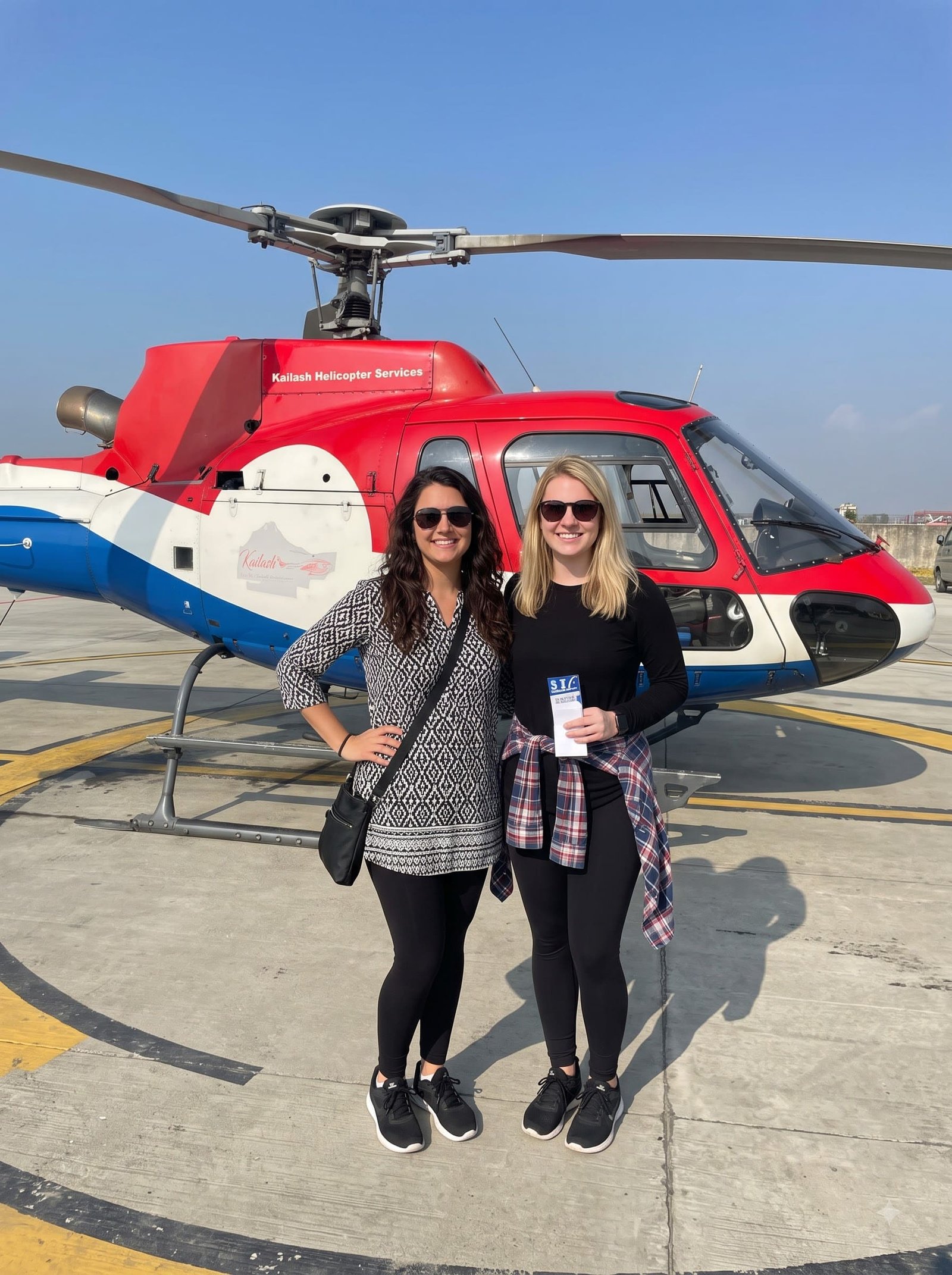
Punakha
The former winter capital, built around a dzong at the meeting point of two rivers and a long suspension bridge strung with prayer flags.
Phobjikha Valley
A wide, glacial valley without a paved center — added to longer itineraries by travelers who want one slower, quieter day among nature trails.
Also worth your time
Bhutan's capital and largest city, where the giant Buddha Dordenma statue watches over the valley and the weekend market draws in vendors from across the region.
Home to some of the country's oldest temples, including Jambay Lhakhang and Kurjey Lhakhang, and a slower pace of travel than the western valleys.
Built into a cliff face above the Mangde River gorge, Trongsa Dzong was historically the seat of power for Bhutan's royal family before the monarchy moved west.
One of Bhutan's least-visited valleys, worth adding for travelers who've already done the standard circuit and want somewhere genuinely uncrowded.
Signature Bhutan Tourism Experiences
Dzongs and monasteries are the headline sights, but most trips also weave in a handful of hands-on stops in between. It's worth confirming which of these are built into your itinerary by default, since some operators list them as optional add-ons rather than standard inclusions.
Tiger's Nest hike
The hike to Taktsang Monastery, perched on a cliff face above the Paro valley — the single most photographed moment in Bhutan tourism.
Dzong architecture
Fortress-monasteries that still function as active government and religious centers, built without a single nail or written blueprint.
Farmhouse visit & hot stone bath
Lunch with a local family followed by a traditional stone-heated soak — a good way to build real downtime into a busy itinerary.
Archery
A hands-on try at Bhutan's national sport, often arranged at lodges with a village team happy to show visitors the basics.
Tshechu festivals
Seasonal masked-dance festivals held at dzongs across the country, worth building an entire trip around if your dates can flex to match one.
Trekking
Multi-day routes such as the Druk Path or Jomolhari trek, for travelers who want more than the road-accessible circuit.
Black-necked crane viewing
Seasonal wildlife viewing in Phobjikha Valley, roughly November through February, as the endangered cranes migrate in for winter.
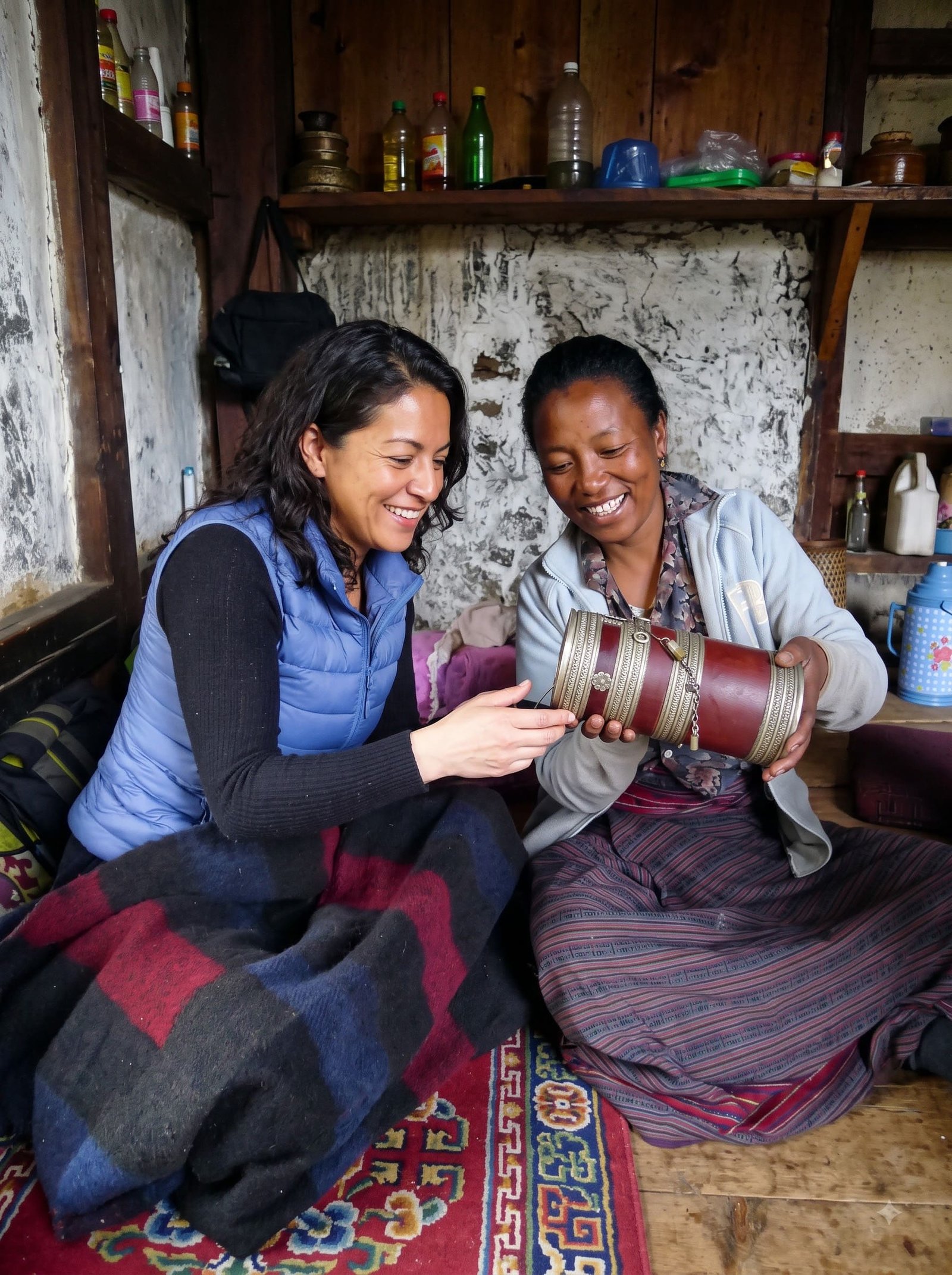
Textile & craft workshops
A short thangka painting or weaving session using motifs drawn straight from Bhutan's temple walls.
Types of Bhutan Tourism
Bhutan tourism isn't one single kind of trip — the same seven-day route can be paced very differently depending on who it's built for.
Dzongs, monasteries and valley towns visited at an unhurried pace — the most-booked category and the natural starting point for first-time visitors.
Multi-day trekking routes layered onto or built around a standard sightseeing base for travelers who want to get off the road entirely.
Trips timed around a specific Tshechu masked-dance festival — these need booking further ahead, since festival-week rooms fill first.
Shorter, more private itineraries with boutique stays, candlelight dinners and a slower daily pace than a typical group circuit.
Hot stone baths, meditation time at monasteries and valley stays built around rest rather than a packed sightseeing list.
Shared vehicles and itineraries paced for mixed-age groups, while every traveler still gets a dedicated guide.
Sustainable Tourism and Gross National Happiness
Bhutan is one of the only carbon-negative countries on Earth, absorbing more carbon than it emits thanks to dense forest cover protected by its own constitution, which requires at least 60 percent forest cover be maintained for all future generations. Tourism policy is built to protect that balance rather than undercut it. The Sustainable Development Fee that funds free healthcare and free education for Bhutanese citizens also underwrites forest conservation and waste management, tying visitor travel directly to the country's own development goals rather than treating it as a separate revenue stream.
Gross National Happiness — Bhutan's alternative to GDP as a measure of national progress — rests on four pillars: sustainable and equitable socio-economic development, environmental conservation, preservation of culture, and good governance. You'll see this philosophy show up in small, practical ways during a trip: community-run homestays in rural valleys, guides trained to explain religious sites rather than just narrate a script, and an entire tourism system designed to grow slowly rather than as fast as demand allows.
What a Bhutan Tourism Trip Typically Covers
Because every trip runs through a licensed operator, the core structure of what's included looks broadly similar wherever you book. Where trips genuinely differ is hotel category, meal upgrades and which activities are bundled in by default versus offered as extras.
Typically Included
- Hotel accommodation for the full itinerary
- English-speaking licensed guide
- Private sightseeing vehicle and driver
- Airport or border pick-up and drop-off
- Sustainable Development Fee (SDF)
- Online entry permits and e-permits
- Breakfast and dinner (MAP meal plan)
- Complimentary SIM card and mineral water
Usually Excluded
- Entrance fees to individual monuments and museums
- Lunch on most days
- Personal expenses and souvenirs
- International or domestic airfare
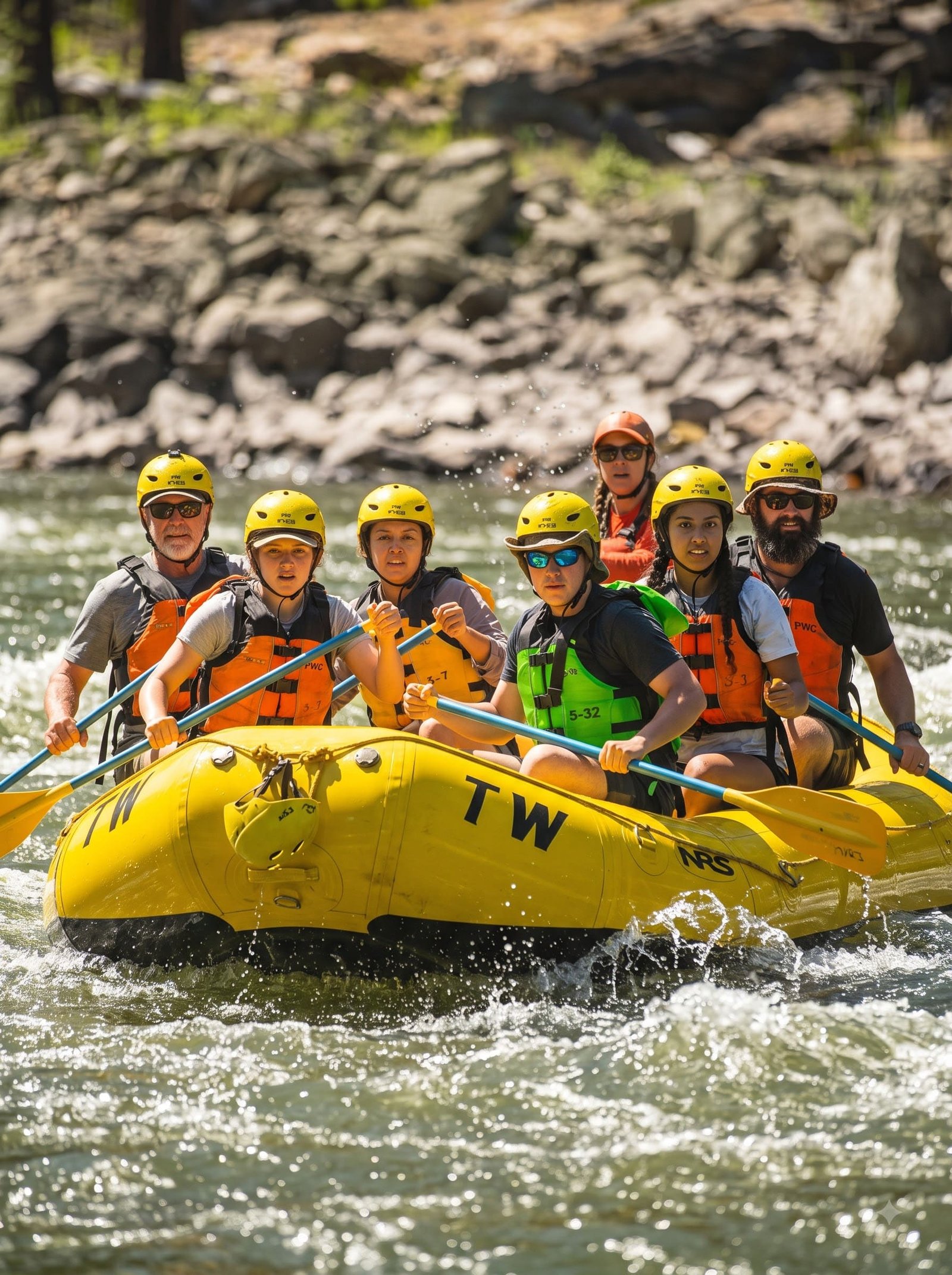
- Optional add-ons: trekking permits, rafting, hot air ballooning
- Costs from unforeseen events such as landslides or flight delays
Practical Tips for First-Time Visitors
- Pace yourself with the altitude. Paro and Thimphu both sit above 7,000 feet, and the Tiger's Nest hike climbs higher still — build in a slow first day rather than starting with your most demanding hike.
- Dress modestly at dzongs and temples. Shoulders and knees should be covered, and shoes come off before entering temple halls; photography is often restricted inside altar rooms.
- Carry a card and some cash for personal spending. Bhutan's currency, the ngultrum, is pegged to the Indian rupee. Cards are accepted in main towns, but ATMs thin out fast once you leave Paro and Thimphu.
- Expect limited connectivity in remote valleys. A local SIM is often included in your package for the main towns, but coverage can drop out completely in valleys like Phobjikha.
- Pack in layers. Mornings and evenings stay cool even in warmer months, and mountain passes can be noticeably colder than the valley floor.
- Ask your operator about tipping norms before you travel. It isn't mandatory, but it's customary for guides and drivers — your operator can tell you what's currently appropriate for your group size and trip length.
- Walk clockwise around religious structures. Prayer wheels, chortens and stupas are traditionally circled clockwise — your guide will usually lead the way without needing to be asked.
Bhutanese Food and Everyday Culture
Bhutanese food centers on red rice, a short-grain variety grown at altitude, paired with ema datshi — chili peppers stewed in melted yak or cow's milk cheese, and close to a national dish. Momos, the same steamed dumplings found across the Himalayas, turn up everywhere from roadside stalls to hotel breakfast buffets, and butter tea, salty and rich rather than sweet, is worth trying at least once even if it's not for everyone. Meals tend to move at the same unhurried pace as the rest of a Bhutan trip — there's rarely a reason to rush a lunch stop when the next dzong isn't going anywhere.
Bhutan tourism isn't built around how much you can see in a week — it's built around leaving enough room in each day to actually be where you are.
Frequently Asked Questions: Bhutan Tourism
What makes Bhutan tourism different from tourism in other countries?
Bhutan runs on a High Value, Low Volume tourism model. Every visitor, apart from those from India, Bangladesh and the Maldives, must travel with a licensed Bhutanese tour operator, and every trip includes a Sustainable Development Fee that funds free healthcare, free education and environmental conservation. The goal is to limit tourism's impact rather than maximize visitor numbers.
Do US citizens need a visa for Bhutan tourism?
Yes. US passport holders need a Bhutan visa, which your licensed tour operator arranges online once your travel dates and itinerary are confirmed. You do not need to visit an embassy or consulate in person.
How do you fly to Bhutan from the United States?
There are no direct flights from the US to Bhutan. Travelers typically fly into a gateway city such as Delhi, Bangkok, Singapore, Kathmandu or Dubai, then connect on Druk Air or Bhutan Airlines, the only two carriers permitted to fly into Paro International Airport.
What is the best time of year for Bhutan tourism?
March to May and September to November are Bhutan's clearest, most popular travel windows, often aligning with major Tshechu festivals. December through February is colder but quieter, while June through August brings the monsoon, with wetter trails and reduced mountain visibility.
How many days do you need for Bhutan tourism?
Four to five days covers Paro and Thimphu. Six to seven days, the most common length, adds Punakha. Seven to eight days allows time in Phobjikha Valley, and nine to ten days or more opens up central Bhutan, including Trongsa and Bumthang.
Is Bhutan tourism safe for solo and first-time travelers?
Bhutan has a low crime rate and a tourism system built around a private guide and driver, which makes it a comfortable choice for solo and first-time international travelers. Normal travel precautions still apply, and travel insurance is recommended.
What is the Sustainable Development Fee in Bhutan tourism?
The Sustainable Development Fee, or SDF, is a per-night charge set by Bhutan's tourism policy that funds free healthcare, free education, infrastructure and environmental conservation. It is built into your package rather than collected as a separate cash payment, and Indian nationals pay a different, lower rate than other nationalities.
What should first-time visitors know about Bhutanese culture and etiquette?
Modest dress is expected at dzongs and temples, shoulders and knees should be covered, and shoes are removed before entering temple halls. Photography is often restricted inside altar rooms, and it is customary to walk clockwise around religious structures and prayer wheels.
Ready to Plan Your Bhutan Tourism Trip?
Share your travel dates, group size and the kind of trip you're picturing, and a travel designer will map an itinerary and pace that fits — with a clear, written plan and no obligation to book.