
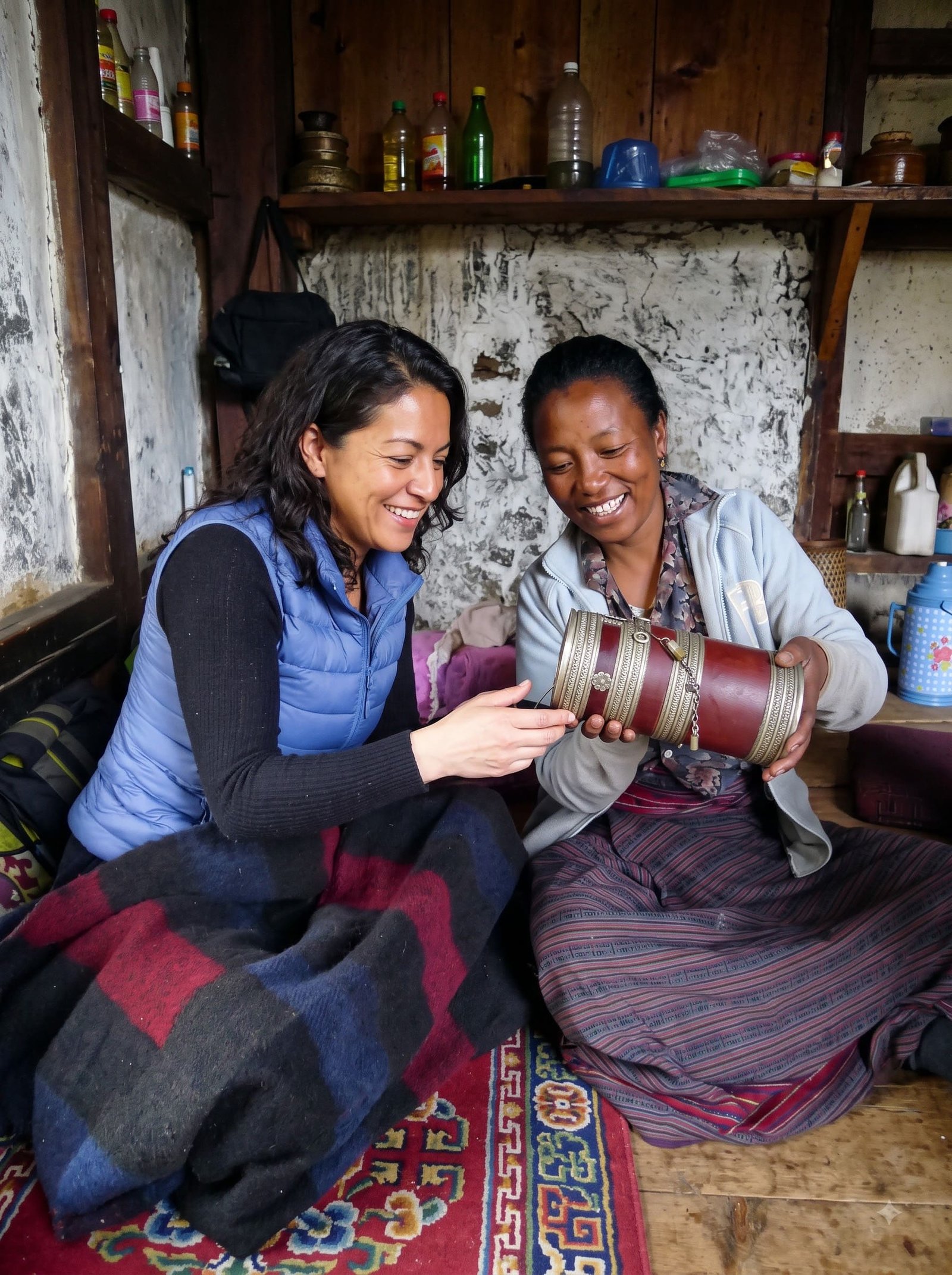
Type "Kingdom of Bhutan tourism" into a search bar and most of what comes back is either a postcard-perfect photo of a cliffside monastery or a list of tour operators competing for the same keyword. What actually matters if you're planning a trip is simpler than either of those: Bhutan runs tourism differently from almost anywhere else on earth, and understanding that policy — not just the scenery — is what makes the rest of the planning make sense. This guide covers how the kingdom's tourism model works, where to go, how long to stay, and what a properly built itinerary should include, all without printing a single dollar figure that might be outdated by the time you read it.
What Sets Kingdom of Bhutan Tourism Apart
Most countries want more visitors. Bhutan, by contrast, has spent decades deliberately keeping tourism small in scale. The kingdom calls this a "High Value, Low Volume" approach, and it shows up in almost every part of a visitor's experience, from how a trip gets booked to how it's guided on the ground.
High Value, Low Volume Policy
Rather than capping visitor numbers with a hard quota, Bhutan uses a nightly Sustainable Development Fee and a mandatory licensed-operator system to keep tourism at a scale the country can absorb without straining its culture or environment.
Gross National Happiness
Bhutan is the only nation that officially tracks Gross National Happiness alongside economic output. Tourism policy answers to that framework, which is part of why the kingdom has resisted opening up to mass travel the way many neighboring destinations have.
A Carbon-Negative Country
Bhutan's forest cover, protected by its constitution, absorbs more carbon than the country produces. That commitment quietly shapes everything from road-building pace to how many hotel beds a valley is allowed to add.
Guided Travel, Start to Finish
There's no independent backpacking route through Bhutan. Every visitor's itinerary runs through a licensed Bhutanese operator, with a dedicated guide alongside you from the moment you land to the moment you leave.
Why this matters for planning: because the system is built around guided, pre-arranged travel, spontaneity works differently here than on a typical trip. Your dates, route and operator need to be locked in before you fly, not figured out once you land.
Visa Clearance, Permits & the Sustainable Development Fee
Bhutan doesn't issue tourist visas on arrival the way many countries do, and it isn't quite visa-free either — the reality sits somewhere in between. Here's the sequence a first-time international traveler actually goes through.
- Confirm your passportValid for at least six months beyond your planned departure date from Bhutan, with at least one blank visa page.
- Choose a licensed Bhutanese tour operatorEvery itinerary, however short, is arranged through an operator licensed by Bhutan's Department of Tourism — this isn't optional paperwork, it's how the entire system runs.
- Apply for Visa ClearanceYour operator submits this on your behalf once your dates and itinerary are set. It's approved before you travel; the physical visa is then stamped into your passport on arrival in Paro.
- Route permits for travel beyond the western valleysDestinations further east, such as Bumthang or the Haa Valley, require an additional internal route permit, arranged once your dates are confirmed.
- The Sustainable Development FeeA nightly government fee charged to international tourists, funding free healthcare, free education and conservation work across the country. Your operator will confirm the current rate and typically folds it into your invoice.
- Carry your documents while travelingKeep a printed or digital copy of your Visa Clearance and permits on hand — they can be checked at internal checkpoints between regions.
One exception worth knowing: nationals of India, Bangladesh and the Maldives follow a separate entry process and don't go through the Visa Clearance route described above. If you're traveling from the United States or almost anywhere else, the steps above apply to you.
Top Destinations Across the Kingdom
Bhutan is small — smaller than Switzerland — but its valleys are separated by mountain passes high enough that each one feels like its own small world. Most itineraries are built around some combination of these six.
Paro
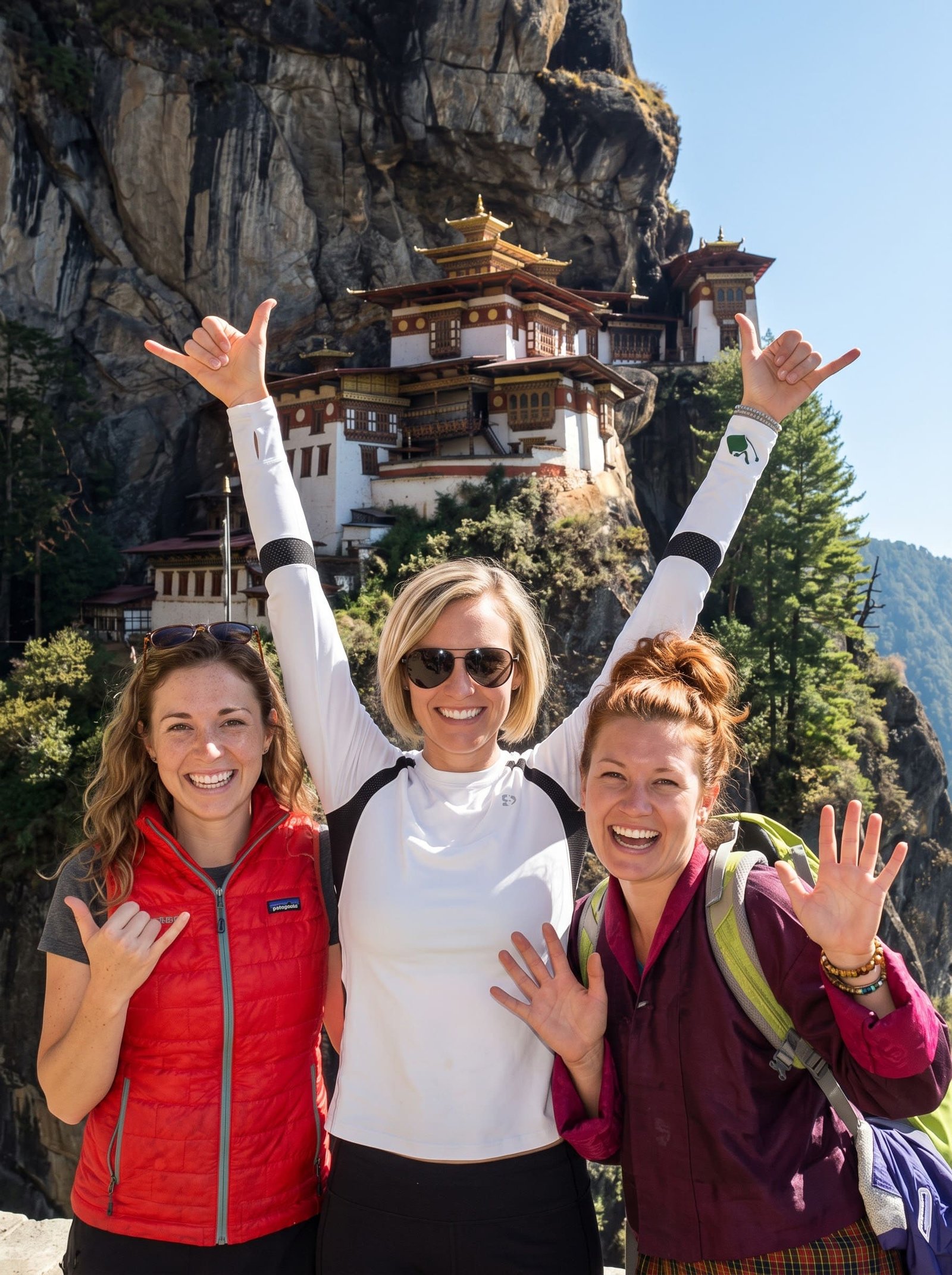
Home to the country's only international airport and to the Tiger's Nest Monastery, which clings to a cliff face roughly 900 meters above the valley floor. Almost every trip starts and ends here.
Thimphu
The capital, and one of the few in the world without a single traffic light. Tashichho Dzong, the towering Buddha Dordenma statue and the Motithang Takin Preserve all sit within a short drive of the city center.
Punakha
Reached by crossing Dochula Pass, Punakha holds what many consider Bhutan's most beautiful dzong, set at the meeting point of two rivers, along with the country's longest suspension bridge.
Phobjikha Valley
A glacial valley without electricity lines running through its center, kept that way partly to protect the black-necked cranes that winter here between roughly November and February.
Bumthang
Considered the spiritual heart of the kingdom, home to some of Bhutan's oldest surviving temples, including Jambay Lhakhang, said to date back to the seventh century.
Haa Valley
One of the last western valleys opened to tourism, still lightly visited, with pine-covered hillsides and monasteries that see a fraction of the footfall of Paro or Thimphu.
Choosing the Right Kind of Trip
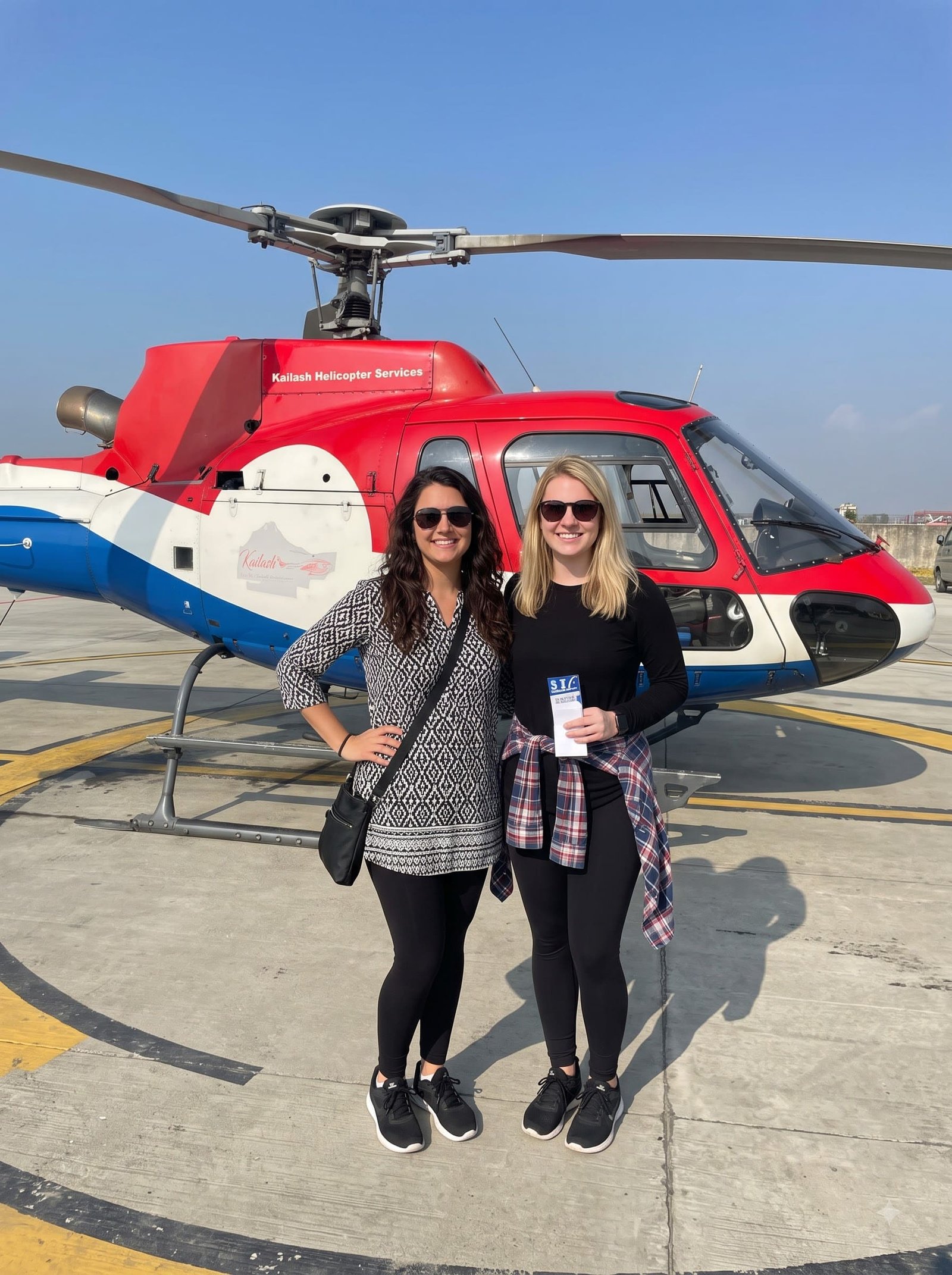
"Kingdom of Bhutan tourism" isn't one single kind of trip — the same valleys can be visited at very different paces depending on what you're actually after.
Cultural Circuit Tourism
Dzongs, monasteries and market towns at a comfortable pace. This is the default starting point for most first-time visitors, and the backbone of every longer itinerary that follows.
Trekking & Wilderness Tourism
Multi-day routes such as the Druk Path or the Jomolhari trek, layered onto a cultural itinerary or booked as a dedicated trip for travelers who want real distance under their boots.
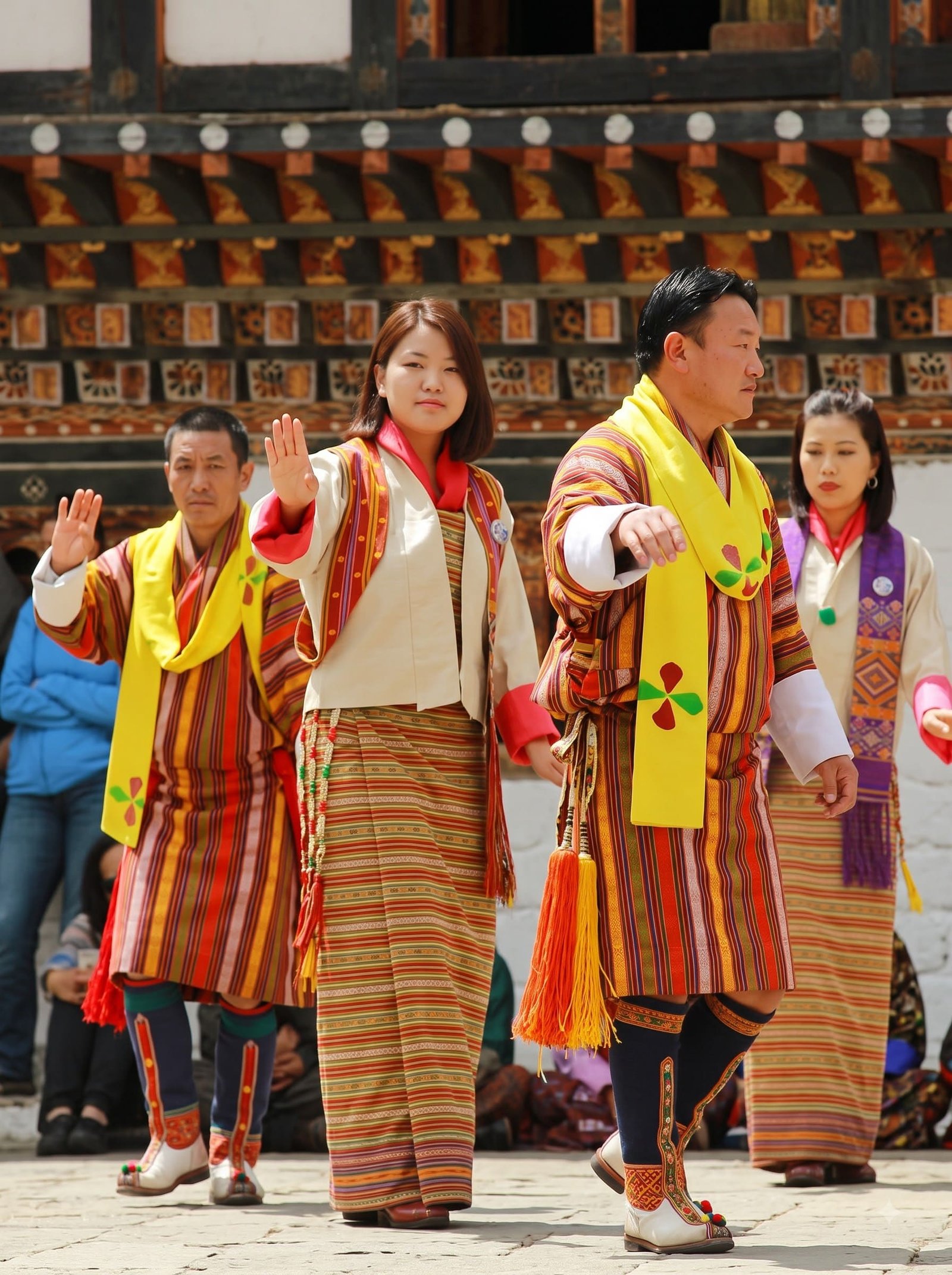
Festival (Tshechu) Tourism
Trips timed around a specific masked-dance festival, when dzong courtyards fill with color, drums and centuries-old ritual performances that most other travelers never see.
Wellness & Spiritual Retreat Tourism
A slower version of the standard circuit, built around meditation sessions, hot stone baths and unhurried time in monastic settings rather than a packed sightseeing list.
Photography & Nature Tourism
Itineraries paced around light and landscape, often extending into quieter valleys such as Phobjikha or Haa where the crowds thin out considerably.
Luxury Lodge Tourism
The same core route, upgraded with boutique and five-star lodge stays and a more private pace, without changing what the itinerary actually covers.
How Many Days to Set Aside
Because Bhutan has one international airport and mountain roads that move slower than they look on a map, trip length has a bigger effect on what you'll actually see here than it does in most destinations.
Trip length, by focus
A starting point — your own pace and prior travel experience matter as much as the calendar
Enough time for the Tiger's Nest hike and the capital's main sights without feeling rushed, and the most common length for a first visit.
Worth the extra two days if you'd rather spend real time in Punakha and the crane valley than treat them as a drive-through stop.
Pushes past the western valleys entirely, best suited to travelers who already know the standard circuit isn't quite enough.
A full loop of the country's tourism-accessible regions, usually chosen by repeat visitors or travelers who want real depth over a highlights reel.
Compare Kingdom of Bhutan Tourism Itineraries
The four itineraries below map onto the trip lengths above. Each is a starting template — swap a night between towns, add a trek, or extend a free day, and your operator will adjust accordingly.
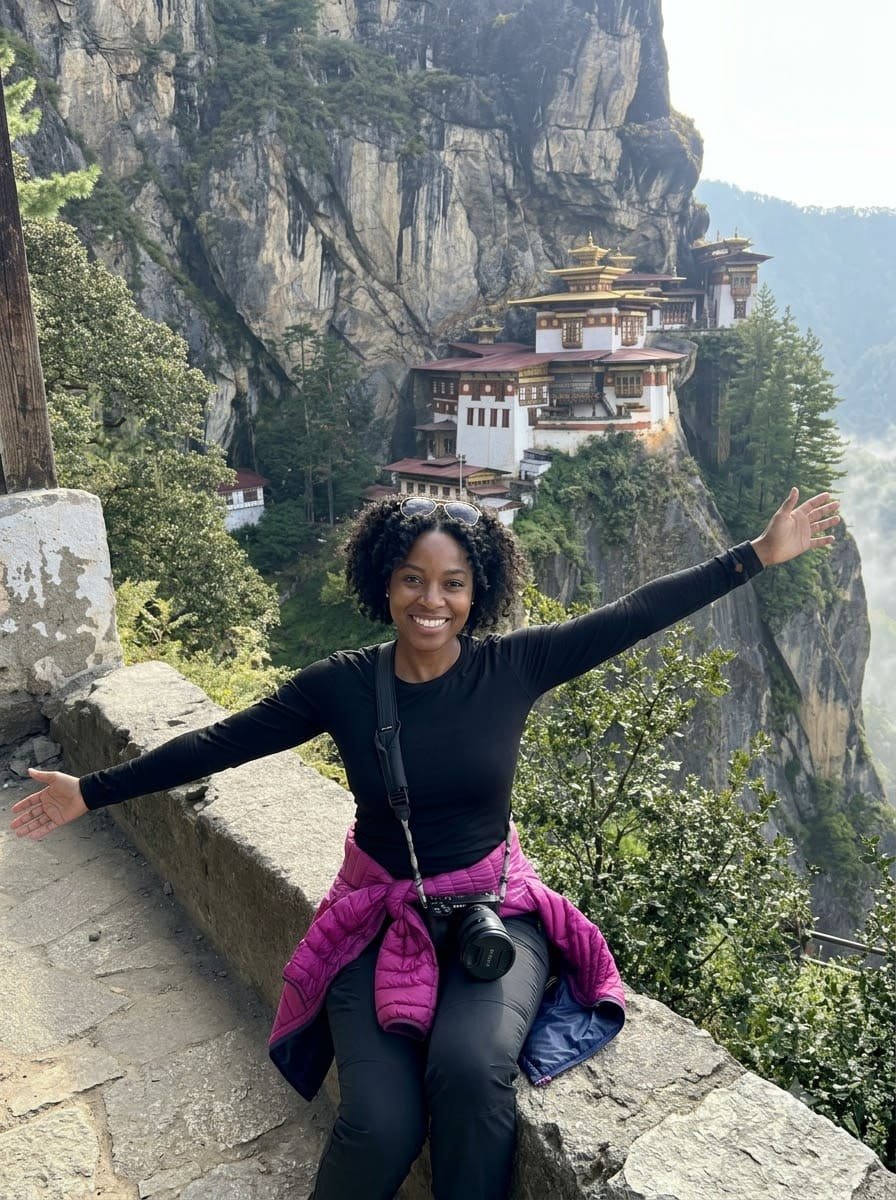
Paro & Thimphu Cultural Highlights
First Visit5 Nights / 6 Days · Paro · Thimphu
Ideal for: first-time visitors and short-break travelers
- A full, unhurried day for the Tiger's Nest hike
- Time to explore Paro town beyond the monastery
- A focused day of capital sightseeing in Thimphu
- Light on travel days, heavy on time to actually settle in
Best for: a first look at the kingdom without committing to a longer trip.
See the day-by-day plan

Signature Western Circuit
Bestseller7 Nights / 8 Days · Paro · Thimphu · Punakha · Phobjikha
Ideal for: general leisure travelers and nature-focused trips
- Dochula Pass and its 108 memorial chortens
- Two full nights in Punakha, including the suspension bridge walk
- Two nights in Phobjikha Valley rather than a quick pass-through
- The most rounded first look at western Bhutan available in a week
Best for: travelers who want the full western circuit without pushing into central Bhutan yet.
See the day-by-day plan
Central Kingdom Journey
Deeper Route9 Nights / 10 Days · Paro · Thimphu · Punakha · Trongsa · Bumthang
Ideal for: repeat visitors and cultural enthusiasts
- Trongsa Dzong, built into a cliff above the Mangde River gorge
- Three nights in Bumthang, the kingdom's spiritual heartland
- Jambay Lhakhang and Kurjey Lhakhang, among Bhutan's oldest temples
- A built-in slower pace, so the long transfer days don't dominate the trip
Best for: travelers who've already done the western circuit and want real depth over a highlights reel.
See the day-by-day plan
Grand Kingdom Expedition
Full Loop12 Nights / 13 Days · Haa · Paro · Thimphu · Punakha · Phobjikha · Trongsa · Bumthang
Ideal for: repeat visitors and slow-travel photographers
- A rare two nights in the lightly visited Haa Valley
- The complete western-to-central route in a single trip
- Genuinely unhurried time in every valley, not just the well-known ones
- Built for travelers who've already seen the highlights reel elsewhere
Best for: repeat visitors, or first-time travelers who'd rather see the whole kingdom in one trip than come back twice.
See the day-by-day plan
Every itinerary above is a starting template rather than a fixed script. Share your travel dates, group size and interests, and a travel designer will confirm what actually fits, with a written itinerary and quote to follow.
Best Time for Kingdom of Bhutan Tourism
Bhutan's weather runs on two clear peaks, with a quieter monsoon window in between. Festival dates shift each year against the Bhutanese lunar calendar, so if a specific Tshechu matters to your trip, confirm the exact dates with your operator before booking flights.
Weather & festival timing, by month
Higher bar = clearer skies and stronger festival activity, but also more competition for hotel space
If you'd rather skip the busiest weeks, late May and September sit close to peak-season weather without the spring and autumn festival crowds. If a Tshechu is the whole point of your trip, book earlier than feels necessary — hotel rooms in Paro and Thimphu fill up well ahead of the festival dates.
What's Included in an Official Package
Because Bhutan's tourism policy sets a baseline structure that every licensed operator follows, core inclusions look broadly similar no matter which operator you book with. Where packages genuinely differ is hotel category, meal upgrades and which extra activities are bundled in.
Inclusions
- Hotel accommodation for every night of the itinerary
- A licensed Bhutanese guide for the full trip
- Private vehicle and driver
- Entry Permit and Route Permit processing
- The Sustainable Development Fee
- Airport pick-up and drop-off in Paro
- A meal plan covering breakfast and dinner
- One included cultural activity, such as an archery session
Exclusions
- International flights to and from your gateway city
- Lunch on most days
- Entrance tickets to individual museums and dzongs
- Personal shopping and incidentals
- Optional add-ons: trekking permits, festival seating, rafting
- Travel insurance
Documents Checklist for US Travelers
The paperwork for a US-based traveler is lighter than it might sound, largely because your operator manages most of it once your dates are confirmed.
- Passport: valid for at least six months beyond your departure from Bhutan, with a blank visa page.
- Visa Clearance: arranged by your operator before travel; the physical visa is stamped on arrival in Paro.
- Route Permit: a separate application for destinations beyond Thimphu and Paro, such as Punakha, Bumthang or the Haa Valley.
- Passport-size photographs: a recent set for each traveler on the booking.
- Travel insurance: not mandatory, but a sensible addition given how remote parts of the itinerary can be.
No routine vaccinations are currently mandated for entry, though it's worth checking current CDC travel health guidance for Bhutan before you go, since recommendations can change and altitude alone is enough to affect some travelers.
The easiest way to plan Kingdom of Bhutan tourism isn't to shorten the trip — it's to pick the itinerary length that actually matches how you like to travel.
Culture, Etiquette & Gross National Happiness
Bhutan's tourism policy and its culture aren't really separate topics — the guiding requirement, the dress code inside dzongs, and the country's caution about rapid development all trace back to the same underlying philosophy.
Dress code inside dzongs
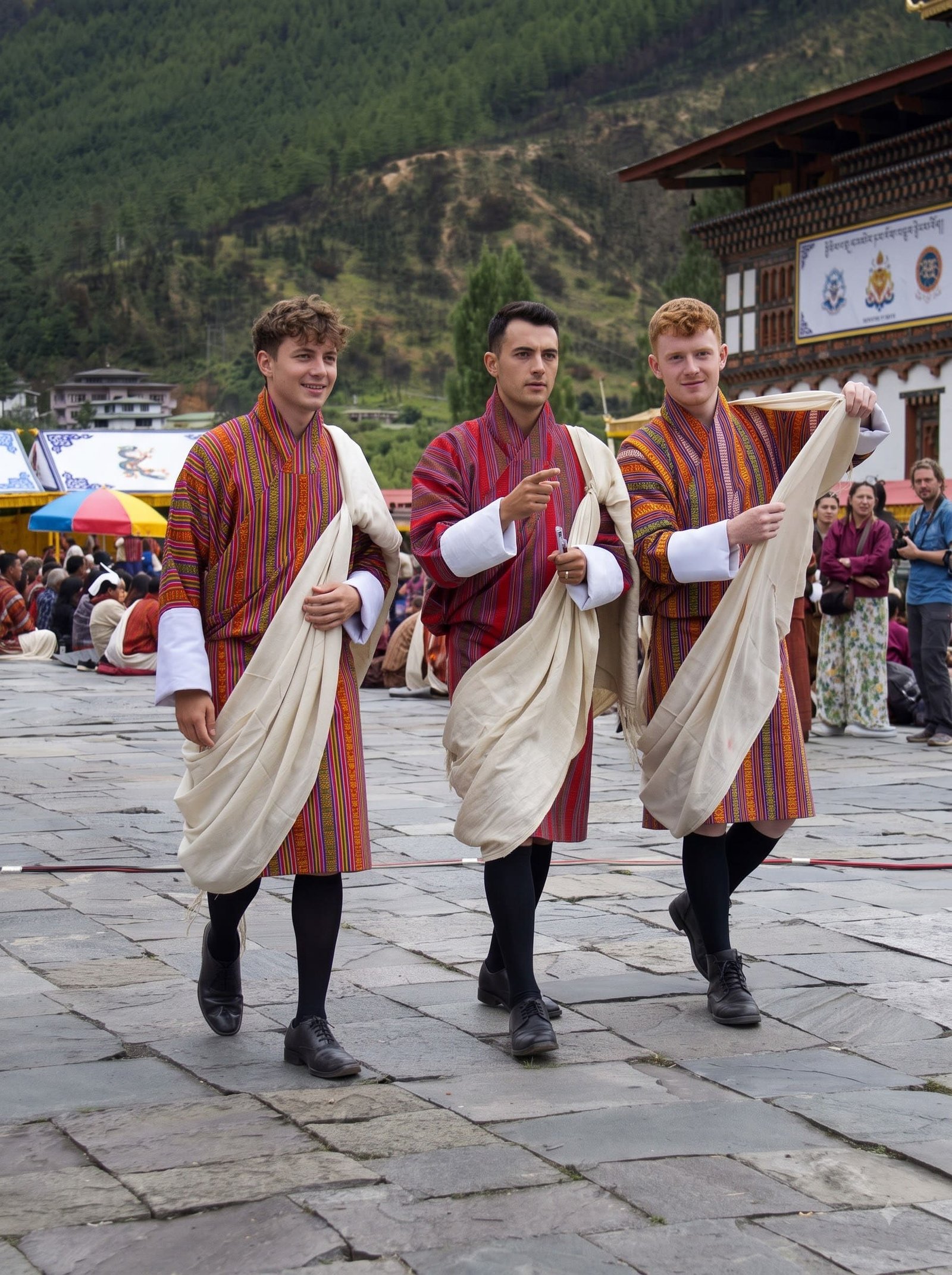
Modest clothing covering shoulders and knees is expected inside dzongs and temples. Many Bhutanese wear the national dress — the gho for men, the kira for women — daily, not just for ceremonies.
Photography etiquette
Photography is often restricted inside temple interiors and during certain ritual moments. Your guide will tell you exactly where a camera is welcome and where it isn't.
Gross National Happiness in practice
The framework isn't just a slogan — it's cited in national planning documents and shows up in policy choices like capping hotel development in fragile valleys and requiring guided travel.
Buddhism's everyday presence
Prayer flags, chortens and mani walls appear constantly along Bhutan's roads, reflecting a Vajrayana Buddhist tradition that shapes daily life far beyond the dzongs tourists visit.
Practical Tips for Kingdom of Bhutan Tourism
Currency
The Bhutanese Ngultrum is pegged one-to-one with the Indian Rupee, and both circulate inside the country. US dollars are not generally used for everyday purchases, so plan to rely on cards or cash exchanged locally.
Mobile connectivity
US carriers generally don't offer automatic roaming in Bhutan. A local SIM, often arranged by your operator, or an international data plan is the more reliable option.
Altitude
Paro and Thimphu sit at a moderate altitude that most travelers adjust to without issue. An easy first evening after a long flight beats jumping straight into heavy activity.
Language
Dzongkha is the national language, but English is the medium of instruction in schools and is standard in tourism and guiding, so it's rarely a real barrier.
Time zone
Bhutan Time is six hours ahead of Eastern Time and nine hours ahead of Pacific Time, with no daylight saving adjustment — worth factoring in when booking your connecting flights.
What to pack
Layers work better than one heavy jacket. Valley towns can be genuinely warm at midday and cold again soon after sunset, even outside the winter months.
Frequently Asked Questions: Kingdom of Bhutan Tourism
What is the Kingdom of Bhutan known for in tourism?
Bhutan is known for its High Value, Low Volume tourism policy, its Gross National Happiness development philosophy, dramatic Himalayan scenery, cliffside monasteries such as the Tiger's Nest, and being the world's only carbon-negative country. Tourism is deliberately kept small in scale rather than opened to mass travel.
Do US citizens need a visa to visit the Kingdom of Bhutan?
Yes. US citizens and most other nationalities need a Visa Clearance arranged in advance through a licensed Bhutanese tour operator, with the actual visa stamped on arrival in Paro. Indian, Bangladeshi and Maldivian nationals follow a separate visa-free entry process.
What is the Sustainable Development Fee, and why does Bhutan charge it?
The Sustainable Development Fee is a nightly government fee charged to international tourists, used to fund free healthcare, free education and environmental conservation programs across the country. It's typically built into your tour operator's invoice rather than paid separately, and the rate is periodically revised, so ask your operator to confirm the current figure in writing.
Can I travel around the Kingdom of Bhutan without a guide?
No, not for international tourists outside the regional visa-free category. Every itinerary is arranged through a licensed Bhutanese operator, with a dedicated guide accompanying you throughout the trip, which is part of how the country manages tourism volume and visitor safety.
How do I fly to the Kingdom of Bhutan from the United States?
There are no direct flights between the United States and Bhutan. Most US travelers fly to a connecting hub such as Delhi, Bangkok, Singapore or Kathmandu, then take Drukair or Bhutan Airlines on the onward flight into Paro, the country's only international airport.
How many days should I plan for a Kingdom of Bhutan tourism trip?
Five to six days comfortably covers Paro and Thimphu. Seven to eight days adds Punakha and Phobjikha Valley. Nine to ten days extends into central Bhutan around Trongsa and Bumthang, and a twelve-plus day trip allows a fuller route including the Haa Valley.
What is Gross National Happiness, and does it affect my trip?
Gross National Happiness is Bhutan's official development framework, which weighs wellbeing, culture and environmental health alongside economic growth. For visitors, it shows up in practical ways: limited tourism infrastructure, mandatory guiding, and a national push to keep development sustainable rather than rapid.
When is the best time for Kingdom of Bhutan tourism?
March to May and September to November are the most popular windows, offering clear mountain views and major festivals such as the Paro and Thimphu Tshechus. June to August brings monsoon rains but fewer crowds, while December to February is cold and clear with quieter travel.
Can a Kingdom of Bhutan tourism itinerary be customized?
Yes. Trip length, hotel category, pace and included activities can all be adjusted around your travel dates and interests — the itineraries in this guide are starting templates, not fixed scripts.
Ready to Plan Your Kingdom of Bhutan Tourism Trip?
Share your travel dates, group size and the kind of trip you're picturing, and a travel designer will map an itinerary that actually fits — with a transparent, written quote and no deposit required to get started.