
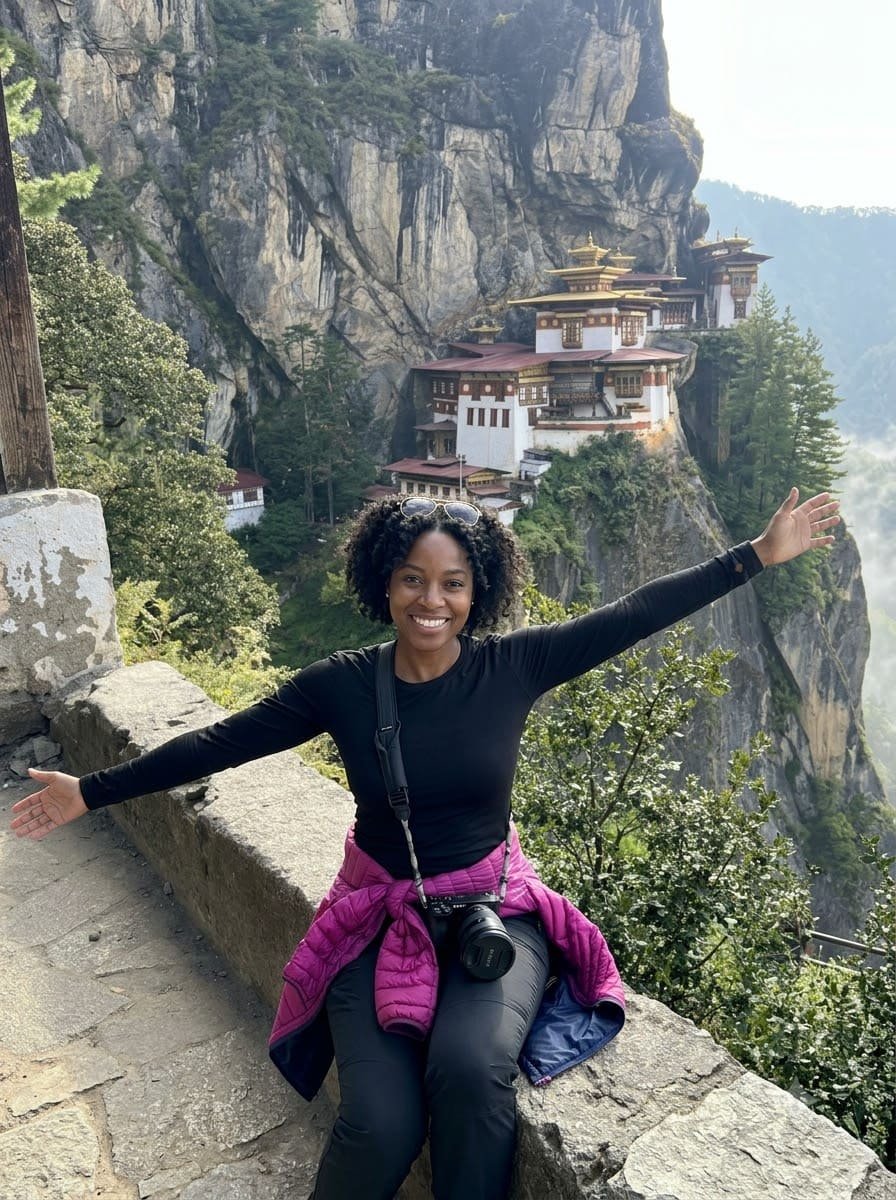
Bhutan feels like it was designed for tired city lungs — glacial rivers, dzong fortresses and hills that go quiet after dark. A direct flight links Singapore to Paro, Bhutan's only international airport, which turns the kingdom into a workable escape of five to eight days instead of a month-long trek. But the best Bhutan tour packages differ sharply in what they actually cover: some quote flights and hotels honestly, others quietly leave the visa, the nightly SDF fee and airport transfers outside the deal. This page breaks down what a genuinely good package looks like, how the Singapore connection works, which itinerary length matches your leave, and where first-time travellers lose money on unclear paperwork.
What Makes a Bhutan Package Genuinely Good
Two packages can carry the same place names and still deliver completely different trips. The difference rarely shows in the itinerary graphic — it shows in who stands behind the booking. Look for these four markers before comparing anything else.
A licensed operator behind it
Every foreign visitor must travel with a Bhutanese operator licensed by the tourism council. If the company arranging your trip cannot name its Bhutanese partner, walk away early rather than late.
Hotel names disclosed upfront
A confident package names every hotel before you pay. Vague wording like "premium category rooms" is where disappointing trips begin, especially in smaller valleys with limited stock.
A guide who shapes the day
Good guides adjust to weather, energy and interest — swapping a museum for a market when the skies clear. Ask how the daily plan flexes when the pass cloud sits low.
Pacing with room to breathe
Bhutan rewards slowness. A package that packs three valleys into four days spends your whole trip on the road, while one extra night turns the same route calm.
Flight days decide everything. The Singapore-Paro service does not operate daily, so align your package start with the flight schedule before paying anything. A great itinerary that begins on a non-flying day exists only on paper. Ask the operator to confirm seat availability for your dates first, then lock the hotels and permits around that arrival.
Getting from Singapore to Paro
A direct Drukair service links Singapore and Paro, which puts the kingdom within one flight of Changi. Some rotations make a brief technical stop in India on the way — you stay on board, and the total journey stays comfortably within a day. Because Paro's airstrip sits in a narrow valley and takes daylight landings only, flights arrive around the middle of the day, which is why nearly every package keeps the first afternoon light.
Entry paperwork is the second piece. Singaporean passport holders need a visa, and it goes through your licensed operator as part of the package — you supply a passport scan and a photo, and the clearance comes back by email. The nightly Sustainable Development Fee (SDF) also applies to foreign visitors; it funds Bhutan's development and conservation work, and the rate changes, so confirm the current figure in writing when you take the quote.
One practical habit from travellers who do this route often: keep the flight booking and the land package traceable as two separate pieces. It makes rescheduling easier if leave dates move, and it keeps each part of the quote clear when you compare operators.
Ask for flights and land package quoted separately. When the two sit on one undivided line, no one can tell what the hotels cost, what the SDF came to, or what changed if you reschedule. Two clean numbers keep the comparison honest and the paperwork simple.
Matching Itinerary Length to Your Leave
Bhutan rewards pacing over distance, so pick the length by how slowly you want to travel, not by how many places you can name. Here is how the usual lengths compare.
Itinerary length, by what it adds
Each level adds one more valley — and one more night of slowness
Tiger's Nest, the capital's dzongs and markets, done over a long leave weekend. Tight but workable, and the flight timings support it.
The length most Singapore travellers settle on — Punakha's riverside dzong and the 108 chortens at Dochula join the plan without any rushing.
A glacial valley where black-necked cranes winter, with village walks and dark night skies. The quietest night of any itinerary on this page.
Long driving days towards Trongsa and Bumthang. Worth it for return visitors with a full week of leave plus a buffer day on each side.
Three Bhutan Packages Singapore Travellers Keep Choosing
Every plan below hangs on the Singapore-Paro rotation, and the arrival day stays deliberately light. Treat them as skeletons — nights move easily once your leave dates are set.

Paro & Thimphu Himalaya Taster
First Look4N/5D · Paro and Thimphu, out of Singapore
Designed for: a first taste of Bhutan over a long leave weekend
- Tiger's Nest while the legs are fresh
- Capital highlights without a single long drive
- Slow first afternoon after the morning landing
- Fits neatly between two flight days
Best for: first-time visitors who want the two essential valleys inside one long weekend of leave.
View the day schedule
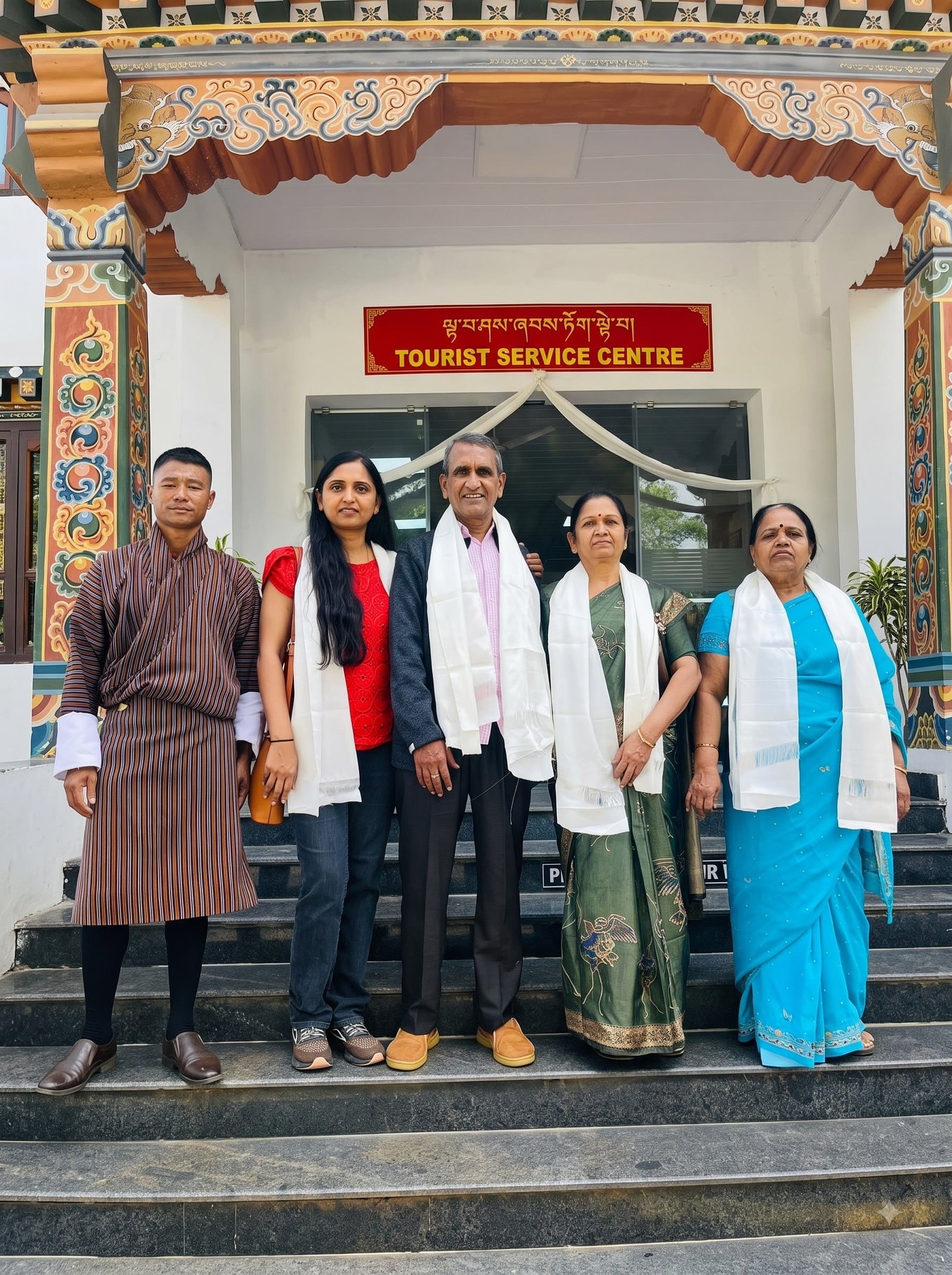
Paro-Thimphu-Punakha Signature Week
Best Value6N/7D — Paro, Thimphu, Punakha, Singapore rotation
Designed for: the complete western trio at a comfortable pace
- Both famous valleys plus the warm riverside south
- Dochula's 108 memorial chortens in mountain air
- Punakha Dzong at the confluence of two rivers
- Two nights everywhere — no one-night stands
Best for: travellers holding a week of leave who prefer depth per valley over driving holiday.
View the day schedule
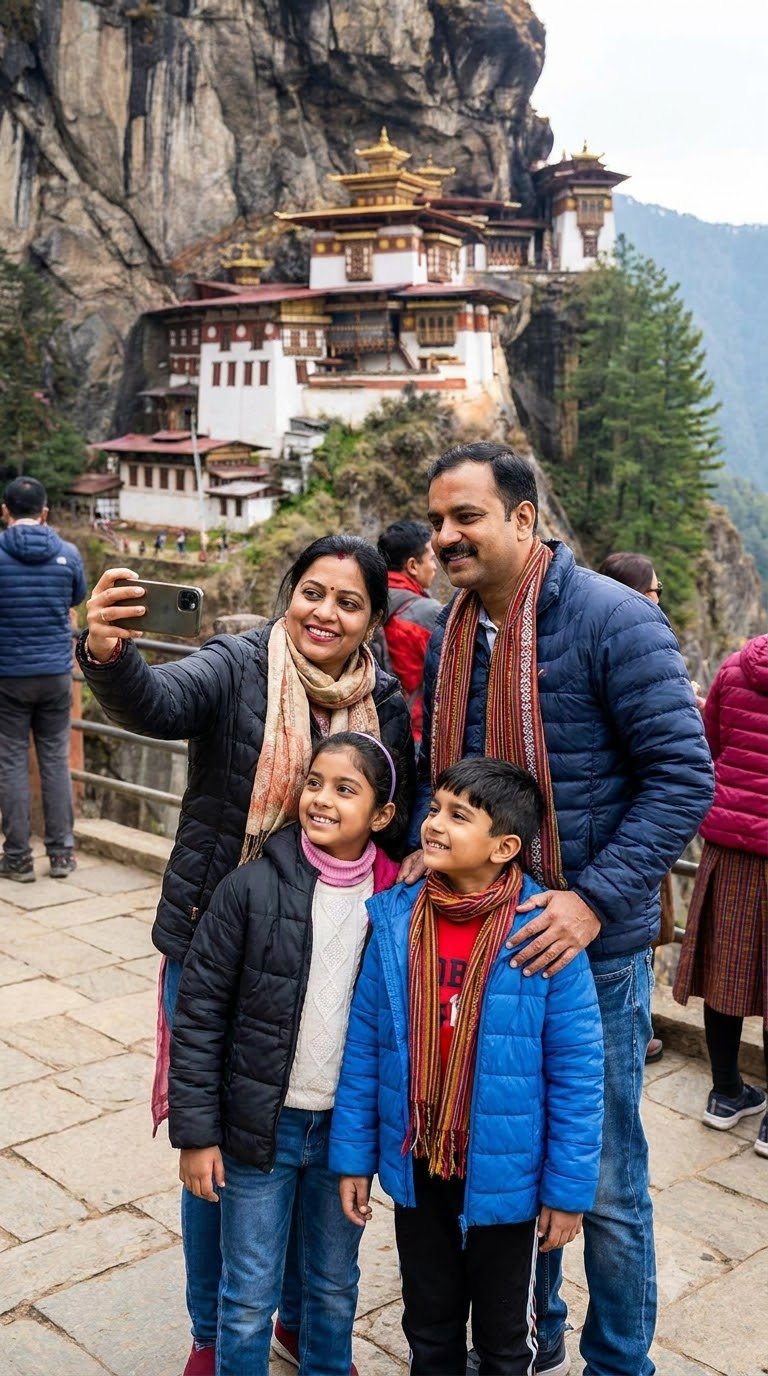
Festival & Valley Explorer
Festival Trip7N/8D — Paro, Thimphu, Punakha, plus Phobjikha
Designed for: travellers chasing masked-dance festivals and quieter valleys
- Tshechu masked dances when dates align
- A night in Phobjikha's glacial bowl
- Riverside evenings in warm Punakha
- Tiger's Nest saved for a strong finish
Best for: culture-minded travellers who time their leave around a tshechu and want one genuinely quiet valley too.
View the day schedule
These itineraries are starting points, not sealed boxes. Nights can shift between valleys, a festival can pin the dates, and the flight rotation fixes which day the trip begins. Send your leave dates and how many are travelling, and a travel designer will return a written plan with named hotels and the current flight timings before you commit to anything.
Six Things to Check Before You Pay a Deposit
Most package trouble in Bhutan traces back to unclear answers, not bad intentions. Run these six checks in writing and nearly every later surprise disappears.
Who holds the visa application
Confirm by name who submits your visa file and when the clearance will arrive. You should never be filing it yourself or chasing a third party for status.
SDF as its own line
The nightly Sustainable Development Fee should appear separately in the quote, with the current rate stated in writing — not buried inside a lump sum.
Hotel names in writing
Every night, every town, every hotel spelled out before payment. If a substitute becomes necessary later, you will know exactly what changed and can object early.
Private guide and vehicle
The guide and car should be for your group alone, for the whole trip. Shared transport turns a mountain itinerary into a committee schedule.
A named person in Bhutan
Ask for the mobile number of the person who actually fixes problems on the ground — not just the sales contact who answers the first email.
Clear rescheduling terms
Leave dates slip. Know beforehand what moves without penalty and what does not, so a shifted flight never becomes an argument mid-trip.
Best Time to Fly from Singapore
Coming from equatorial humidity, the mountain air itself is half the holiday — and the month you pick decides how crisp that air feels. The chart below shows how weather and demand move together.
Sky clarity and seat demand, month by month
Taller bar = crisper skies, with flight seats and good rooms moving faster too
For most Singapore travellers the sweet spot is the stretch from late September to November, when the monsoon has washed the air and the passes sit clear. April runs it close, with blossoms and longer evenings. The monsoon months have their own case — quiet trails, green valleys and the easiest confirmations of the year — provided you accept clouds over summits and pack a proper rain shell.
What's Included in a Singapore Package
Bhutan's rules shape the baseline — a licensed guide, a private vehicle and the entry paperwork are part of every foreign-tourist trip. The differences between operators show up in hotels, meals and the small logistics, so read the list line by line.
Inclusions
- Every night's hotel named in writing before you pay
- A licensed English-speaking guide from Bhutan
- A private vehicle and driver reserved for your group
- Visa filing and SDF paperwork, done by the operator
- Breakfast and dinner at the hotels
- Paro airport pickup and drop on flight days
- One cultural outing — say, a farmhouse dinner
- Drinking water for the whole trip
- A local SIM, ready at arrival
Exclusions
- Singapore-Paro airfare, priced apart from the land plan
- Tickets for monuments and museums
- Most lunches
- Personal spending, drinks and souvenirs
- Add-on adventures, rafting and cycling among them
- Hotel nights added when weather or flight changes force them
Documents for Singaporean Passport Holders
The paperwork list for Bhutan is short, but each item has a timing that matters. Set these up in this order and the entry process becomes a formality.
- Passport: valid for at least six more months beyond your travel dates — check this before anything else is booked.
- Visa clearance: filed by your licensed operator once the trip is confirmed; print the clearance for airline check-in and arrival.
- Photographs: a recent passport-style digital set, uploaded with the visa application.
- Flight tickets: the Singapore-Paro return booking, matched exactly to the package start and end dates.
- Travel insurance: strongly recommended for a mountain trip where weather can move a flight.
Bhutan is the rare holiday that begins the moment the aircraft turns into the valley — and Singapore is lucky enough to reach it direct.
What Moves the Cost of Your Quote
Every Bhutan quote is built against your actual dates, so the same seven-night trip can land on very different totals. These are the levers that move it — worth understanding before you compare two operators.
- Season: the peak windows of spring and autumn carry the tightest flight seats and the highest hotel demand.
- Hotel tier: the same valley offers everything from comfortable standard rooms to five-star lodges, and the gap shows in the quote.
- Group size: one guide and one vehicle cost shared across more people, so each person's share falls as the party grows.
- Room category: valley-view or suite upgrades inside the same hotel change the total more than most people expect.
- Nights added: a longer stay means one more SDF levy, plus that day's room and guide.
- Flight rotation: which day you fly decides whether an extra night is needed anywhere, which quietly reshapes the plan.
A written quote tied to your dates beats any general figure. Because the factors above interact — a festival week can lift everything at once — the only number worth planning around is one built for your exact dates, group size and hotels. Treat any general figure you find online as background noise, and ask each operator for their breakdown in writing.
Tips for Booking from Singapore
A few local habits make this trip noticeably smoother. These come straight from the questions Singapore travellers ask us most.
- Build leave around the flight. The rotation decides your start day, so apply for leave once seat availability for your month is confirmed, not before.
- Book festival dates early. Tshechu weeks fill the valley's rooms first, so if masked dances are the draw, fix the dates months ahead.
- Pack for four seasons in one day. Mornings are cold, middays warm, and evenings cool fast — layers beat a single heavy jacket.
- Check baggage allowance on both legs. Mountain aircraft run tighter limits than Changi departures, so confirm weights when the flights are issued.
- Keep the first evening empty. The morning flight and the altitude change are real; a slow arrival evening makes day two twice as good.
- Sync with your operator daily. A five-minute evening chat about tomorrow's plan catches weather changes before they cost you a stop.
- Carry some cash in small notes. Card acceptance is growing in Thimphu but thin outside it, and craft stalls run on cash.
Frequently Asked Questions: Bhutan Packages from Singapore
Is there a direct flight from Singapore to Bhutan?
Yes. Drukair operates a direct service linking Singapore and Paro, and some rotations make a brief technical stop in India en route before landing back in the Himalayas. The flight does not run every day of the week, so your package dates should be built around the schedule rather than the other way round — ask the operator to match your itinerary to the flying days before anything is confirmed.
Do Singaporeans need a visa for Bhutan?
Yes, Singaporean passport holders need a visa, and it is arranged by your licensed operator along with the rest of the trip rather than applied for separately. Carry a passport with six months' validity beyond your travel dates and a digital photo for the application. The clearance usually arrives by email before departure, and a printed copy makes check-in at the airline counter simple.
What is the SDF I keep reading about?
For every night spent in Bhutan, the Sustainable Development Fee supports the country's development and conservation work, collected as part of the entry process your operator runs. Figures move occasionally, so pin the current one down in writing inside your quote instead of trusting older articles.
How many days are enough?
Five days works as a taster covering Paro and Thimphu. Seven is the sweet spot for most travellers, because it adds Punakha and its riverside dzong without any rushing. Nine or ten days suits those who want the quieter valleys such as Phobjikha, or a push towards central Bhutan. Whatever you choose, keep the first morning slow after the early flight.
Which month has the clearest views?
October and November top the list, with sharp mountain air and the year's most reliable skies. March to May brings flowers, warmer days and good visibility too. The monsoon months are the quietest — trails are green and rooms are easiest to confirm, though cloud often hides the peaks. For a honeymoon or photography-focused trip, aim for the autumn weeks.
Can I celebrate a honeymoon here?
Absolutely — Bhutan has become a favourite honeymoon choice for Singapore couples who want mountains without crowds. Operators shape quieter dinners, room upgrades where the hotel has them, and slower mornings with later starts. Mention the occasion at booking so the guide can pace the days gently and the hotels can prepare the small touches that make the trip feel personal.
Is veg food available?
Yes — Bhutanese kitchens cook vegetarian meals happily, and hotels used to Indian and Singaporean guests keep a good spread of vegetable dishes, rice, noodles and eggs. Tell the operator early so every hotel on the route plans for it. If you enjoy local flavours, ask for vegetarian versions of ema datshi and momos; the kitchens handle those requests every day.
Will my phone work?
Buy a local SIM at arrival or ask the operator to arrange one in advance — data coverage is decent in the western towns and thinner in remote valleys. Most hotels offer wifi, strongest in Thimphu and Paro, though speeds are modest by Singapore standards. Treat the trip as a chance to unplug a little, and download offline maps before you fly.
How far ahead should I book?
Aim for several weeks before the peak months of March to May and October to November — flight seats and the best rooms go first, in that order. For festival dates, book earlier still, because the whole valley fills for the masked dances. Off-peak trips can be arranged on shorter notice, though the visa still needs its processing time.
Ready to Trade Singapore's Humidity for Himalayan Air?
Your leave dates, your group size, the itinerary length that tempts you — that is the whole starting brief. A travel designer wraps the plan around the Singapore-Paro rotation, names every hotel, takes the visa and SDF off your desk and sends a written quote before money is mentioned.